
Is It Time to Replace My Old Filling? What to Know Before the New Year

Most of us don’t think twice about our dental fillings once they’re in—but they don’t last forever. If it’s been a while since yours was placed, or you’ve noticed little changes here and there, it might be worth giving it some attention.
To help you start the new year with your healthiest smile, here’s a simple guide to understanding when a filling might need some extra care.
Signs A Filling Needs Replacing
Increased Sensitivity Are you noticing the spot where your filling is has become more sensitive to hot, cold, or sweet food? This is a sign your filling may need replacing, and this could indicate that the filling is no longer sealing the tooth correctly.
Pain If you are experiencing pain where your filling should be, this is a sure fire sign that something isn’t right. It could be that your filling has moved or broken, and is no longer doing what it needs to protect the tooth, causing the pain.
Loose, Missing, Or Wobbly Teeth When moving your tongue over the area where the filing is, if you can feel that it is loose, missing, or wobbly, you need to book an appointment with your dentist. A filling should never move, and one that is will need to be replaced or reset as soon as possible.
Food Getting Stuck If food is frequently getting stuck in one particular part of your tooth, it could mean that part of the filling has worn down around the edge, or that it has moved.
How Long Does A Filling Last?
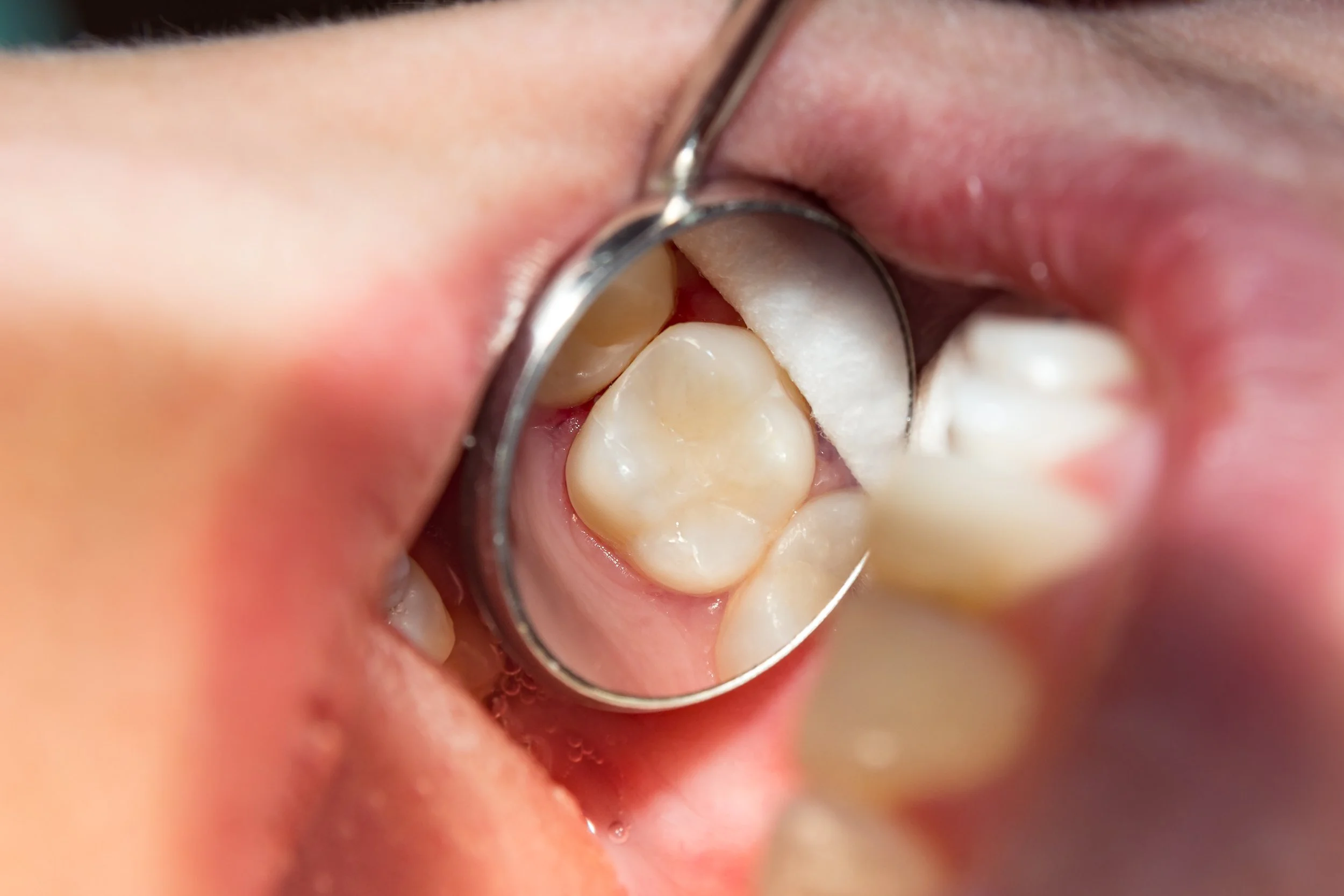
Most dental fillings aren’t meant to last forever, but they do give you many years of reliable protection. In general, fillings last anywhere from 5–15 years, depending on the material and how well you care for your teeth.
White composite fillings are the tooth-colored option most people choose today, and typically they last 7–10 years. They bond directly to your tooth and look natural, but they can wear down a little faster, especially if you grind your teeth or chew on harder foods.
Gold fillings, on the other hand, are incredibly durable. They can last 10–20 years (and sometimes even longer) because gold doesn’t crack or break down as easily. They’re less common now, but they’re still considered one of the longest-lasting materials.
Your filling’s lifespan also depends on everyday habits: brushing and flossing regularly, keeping up with dental checkups, and avoiding things like ice-chewing or nail-biting. Catching small issues early can help a filling last closer to the top of that range rather than the bottom.
Why Do Cracks And Leaks Matter?
A filling’s main job is to seal and protect the inside of your tooth. When that seal breaks down—even a little—bacteria, food particles, and moisture can slip into the tiny spaces between the filling and the tooth. That’s where trouble starts.
Cracks or leaks can allow decay to form under the filling, often without causing pain at first. By the time you notice sensitivity or discomfort, the issue may already be more advanced. In some cases, what starts as a small gap can lead to a larger cavity, infection, or the need for more involved treatment like a crown or root canal.
That’s why having a filling placed properly—and replaced promptly if it begins to fail—is so important. A healthy, intact filling keeps your tooth strong. A damaged one leaves it vulnerable.
It’s Time To Book
If you’re unsure whether your cavity filling is still doing its job—or you just want to start the new year with a healthy, confident smile—now is the perfect time to schedule a visit. Our team is here to take a closer look, answer your questions, and recommend the right next steps if a replacement is needed. As the best dentist in Ooltewah, we offer a variety of comprehensive dental care, including cosmetic dental care in Ooltewah, TN, so you can feel great about your smile from every angle.
Don’t wait until a small issue becomes a bigger one. Secure your appointment now so you can head into the new year knowing your dental health is in great shape. Even a simple end-of-year checkup can give you peace of mind.