
What Is a Dental Cleaning Actually Doing for Your Teeth?
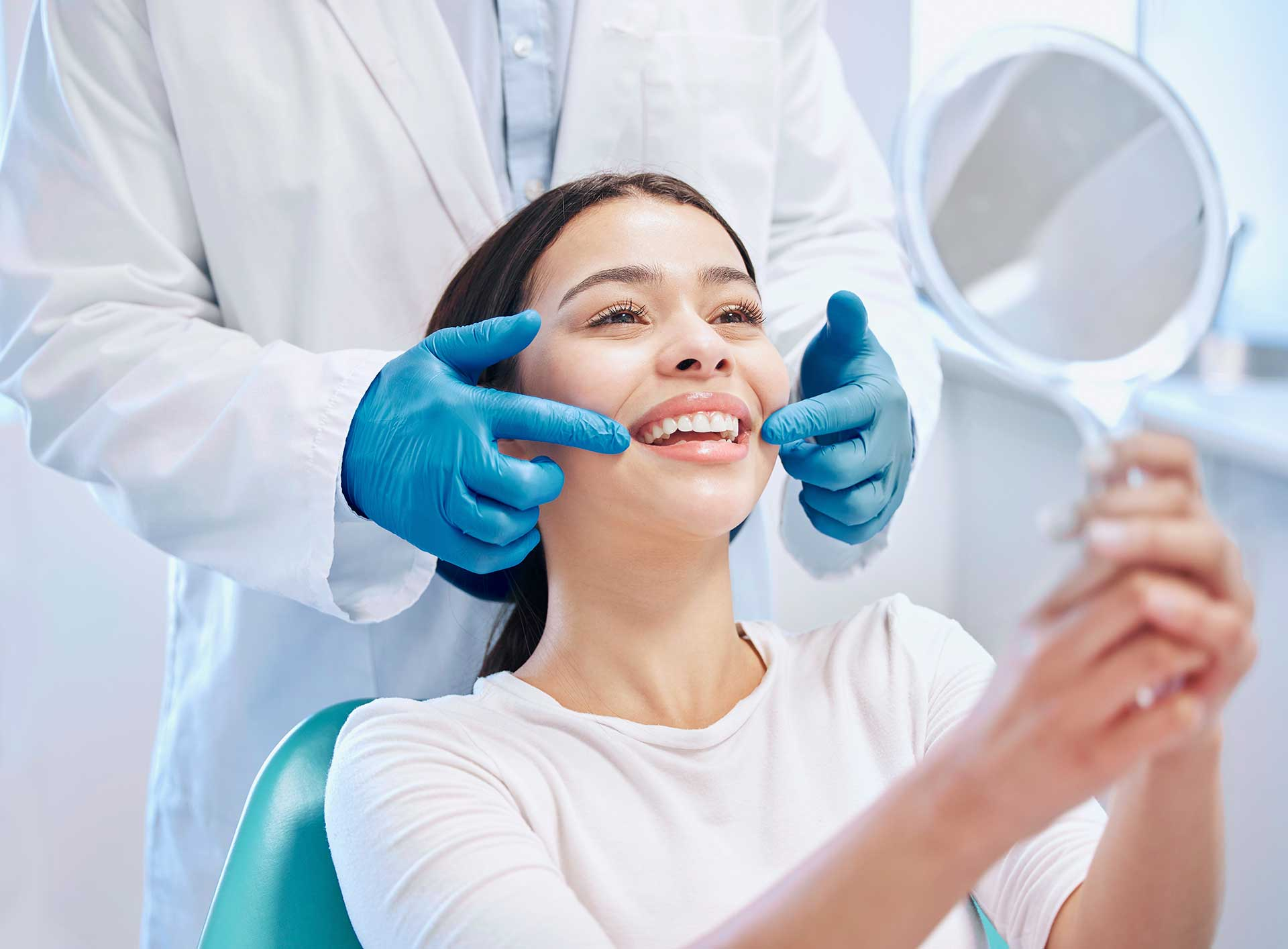
You brush twice a day, floss regularly, and take good care of your teeth at home—so why are professional dental cleanings still so important?
While your daily routine does most of the heavy lifting, there are some things your toothbrush and floss simply can’t do. A professional cleaning helps remove buildup in hard-to-reach areas while giving your dental team a chance to keep a close eye on the health of your teeth and gums.
Plaque vs. Tartar: What’s the Difference?
Plaque is the soft, sticky film that naturally forms on your teeth throughout the day. Regular brushing and flossing help remove it, but it’s easy to miss certain areas, especially along the gumline and between teeth.
When plaque isn’t removed, it can harden into tartar (also called calculus). Unlike plaque, tartar can’t simply be brushed away at home. It bonds to the surface of your teeth and needs to be removed using professional dental instruments.
This is where your hygienist comes in.
What actually happens in the hygienist's chair?
Your cleaning is about more than simply making your teeth feel smooth and fresh.
Our appointments start with a registered dental hygienist removing plaque and tartar from your teeth and gumline, including areas that can be difficult to reach with regular brushing and flossing. Your teeth are then polished and flossed to remove remaining debris and surface stains.
Throughout your visit, your hygienist will also pay attention to the health of your gums and look for signs that may need a closer look. Regular visits give our team an opportunity to catch changes early and recommend treatment when necessary.
Dr. Brooks or Dr. Julia can then perform your dental exam and address any concerns with you.
The benefits go beyond a cleaner smile
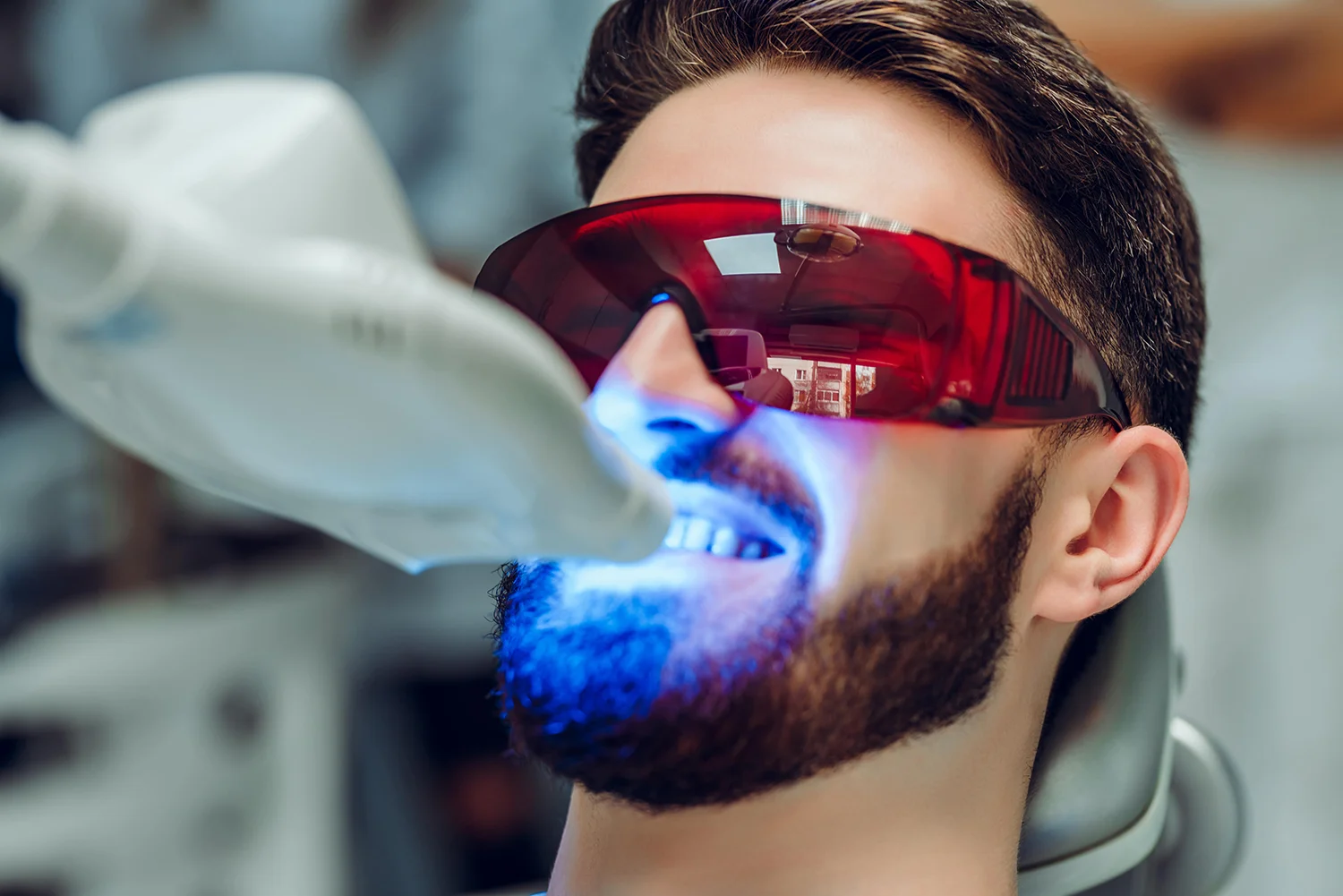
Professional cleanings can certainly help your smile look and feel better. Hygiene visits don't just lift plaque and tartar, but also remove red wine, coffee, tea, and berry stains. Many patients notice a teeth whitening effect after the procedure.
What's more, dental cleaning also reduces the risk of gum disease and long-term tooth loss. In the early stages, tooth loss and other conditions are often painless, meaning it's harder to spot them. Hygienists can catch these problems early and deal with them quickly, so you don't have to go through full-blown tooth replacement surgeries like implants or All-on-Four.
What's more, dental cleaning also reduces the risk of gum disease and long-term tooth loss. In the early stages, tooth loss and other conditions are often painless, meaning it's harder to spot them. Hygienists can catch these problems early and deal with them quickly, so you don't have to go through full-blown tooth replacement surgeries like implants or All-on-Four.
Furthermore, discovering gingivitis and bleeding gums early can reduce overall body inflammation. Research now links gum inflammation to various health conditions elsewhere in the body, including heart disease and diabetes. As such, getting work in the chair is often having a greater impact on health than many patients realize.
While twice-yearly cleanings are common, there’s no perfect schedule for everyone. Depending on your oral health, gum health, and individual needs, you may require more frequent visits.
Book a cleaning in Ooltewah
If you'd like a non-judgmental cleaning in Ooltewah, call White Oak Dental at (423) 238-5744 or contact us to schedule your dental cleaning.