
How Long Do Veneers Last?
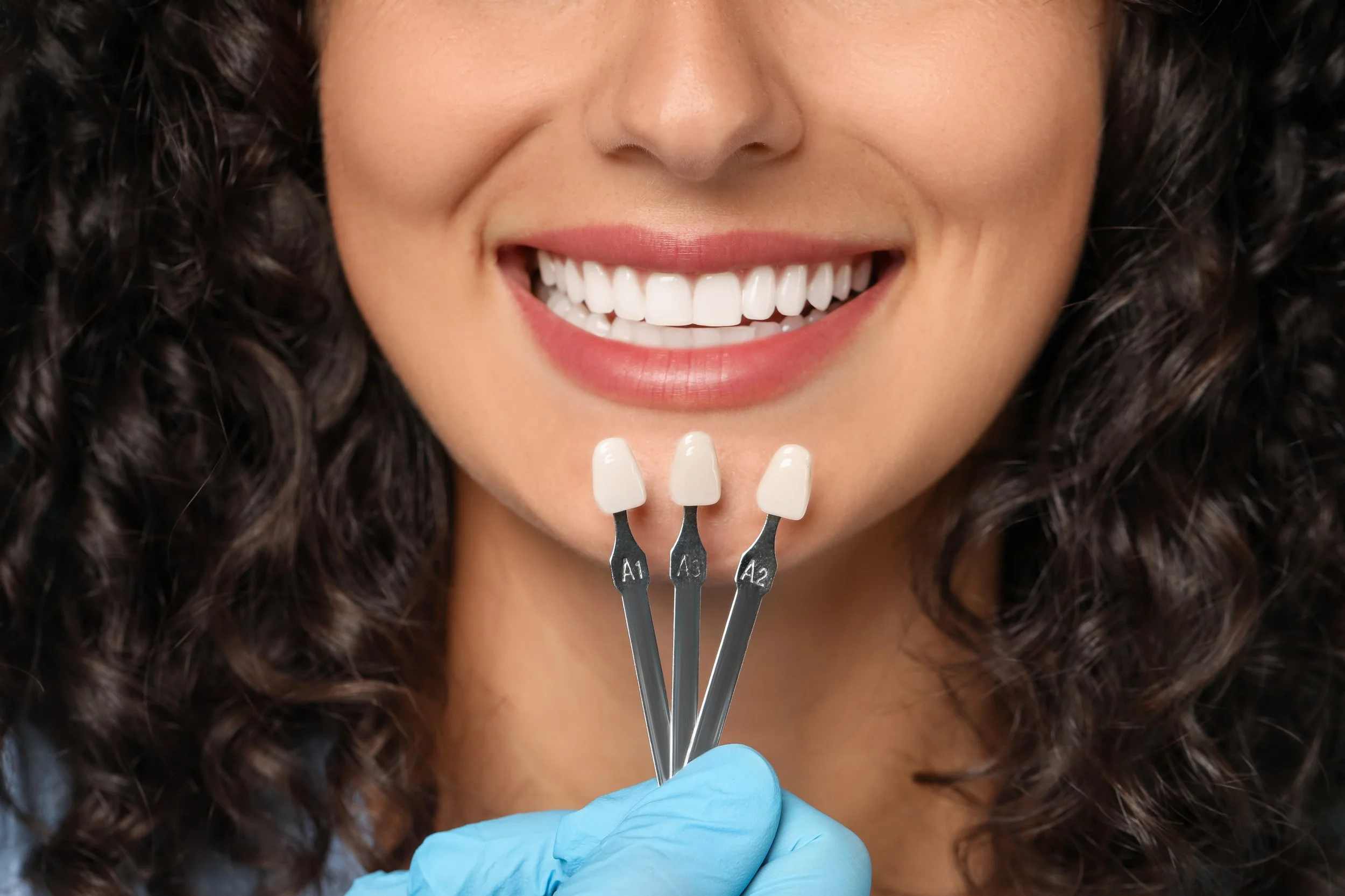
Veneers can be an excellent way to refresh your smile. While dental veneers are a very popular choice due to their long-lasting design, they're not permanent. Understanding how long dental veneers last — and how to take care of them — can help you determine the right options for your smile.
What Problems Can Veneers Fix?
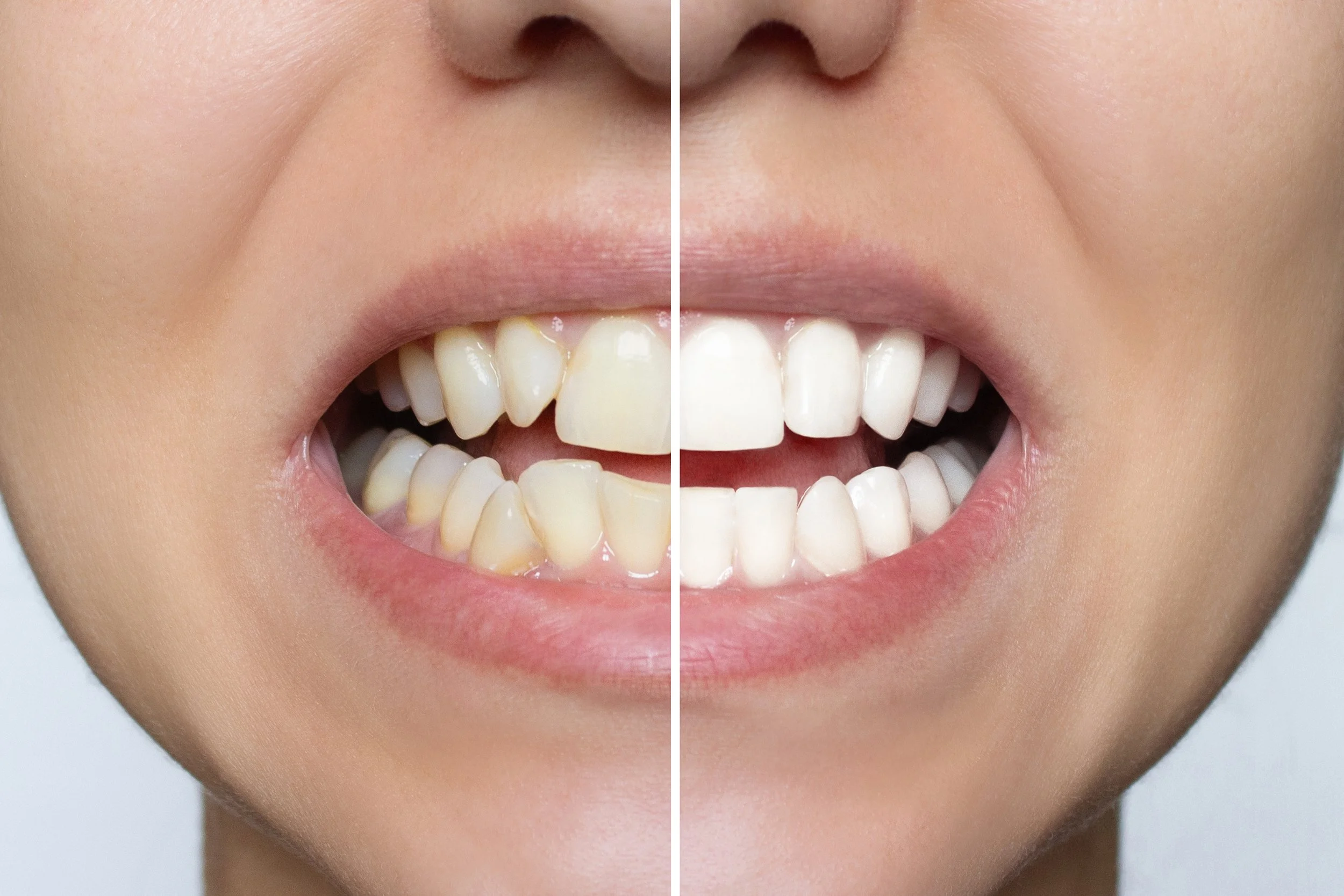
Dental veneers are a versatile cosmetic treatment that can address a variety of common smile concerns. Because veneers cover the front surface of the teeth, they can quickly improve both the color and shape of your smile while still looking natural.
Veneers are often used to correct:
Stained or discolored teeth that do not respond well to whitening treatments
Chipped or worn teeth caused by injury or everyday wear
Small gaps between teeth that affect the appearance of your smile
Mildly misaligned or uneven teeth that don’t require orthodontic treatment
Teeth that are misshapen or smaller than surrounding teeth
By correcting these issues, veneers can create a brighter, more balanced smile with results that look natural and feel comfortable. During a consultation, your dentist can evaluate your teeth and determine whether veneers are the right solution for your specific goals.
Factors That Influence How Long Veneers Last
The lifespan of dental veneers depends largely on the material used and how well they are cared for over time. Porcelain veneers are known for their durability and can typically last 10 to 15 years, and sometimes longer with excellent oral hygiene and regular dental visits.
Composite resin veneers generally last about 5 to 7 years because the material is more prone to staining, chipping, and everyday wear. While composite veneers may cost less upfront, they often require replacement sooner.
Veneers are considered a long-term cosmetic solution because a small amount of enamel must be removed from the natural tooth to place them properly. Since enamel does not regenerate, veneers will eventually need to be replaced once they reach the end of their lifespan.
Several everyday factors can influence how long veneers continue to look and function their best.
Maintaining a consistent oral hygiene routine—including brushing twice daily, flossing daily, and keeping up with professional cleanings—helps protect both the veneers and the natural teeth underneath.
Habits like chewing on ice, biting nails, or using your teeth as tools can increase the risk of chips or fractures.
Grinding or clenching your teeth at night (bruxism) can also shorten the lifespan of veneers, which is why some patients benefit from wearing a custom night guard.
Diet can also play a role. Although porcelain veneers are highly stain-resistant, beverages like coffee, tea, and red wine may gradually discolor the edges if proper oral hygiene and regular dental cleanings are not maintained.
Just as important as daily care is the quality of the cosmetic dentistry itself. Proper diagnosis, precise tooth preparation, bite alignment, and strong bonding techniques all help veneers function comfortably and last longer.
Working with an experienced cosmetic dentist also ensures that the teeth and gums supporting your veneers are monitored regularly so small concerns can be addressed before they become larger problems.
Schedule an Appointment for Your Veneers Consultation
White Oak Dental can evaluate your smile, walk you through your treatment options, and create a veneer plan designed around your goals, bite, and lifestyle. If you're considering veneers or want to learn more about cosmetic dentistry, our team is here to help.
Get in touch our office today to schedule a consultation and take the first step toward a confident, refreshed smile in Ooltewah, TN.