
Signs You Might Need a Dental Crown (And What the Procedure Is Like)
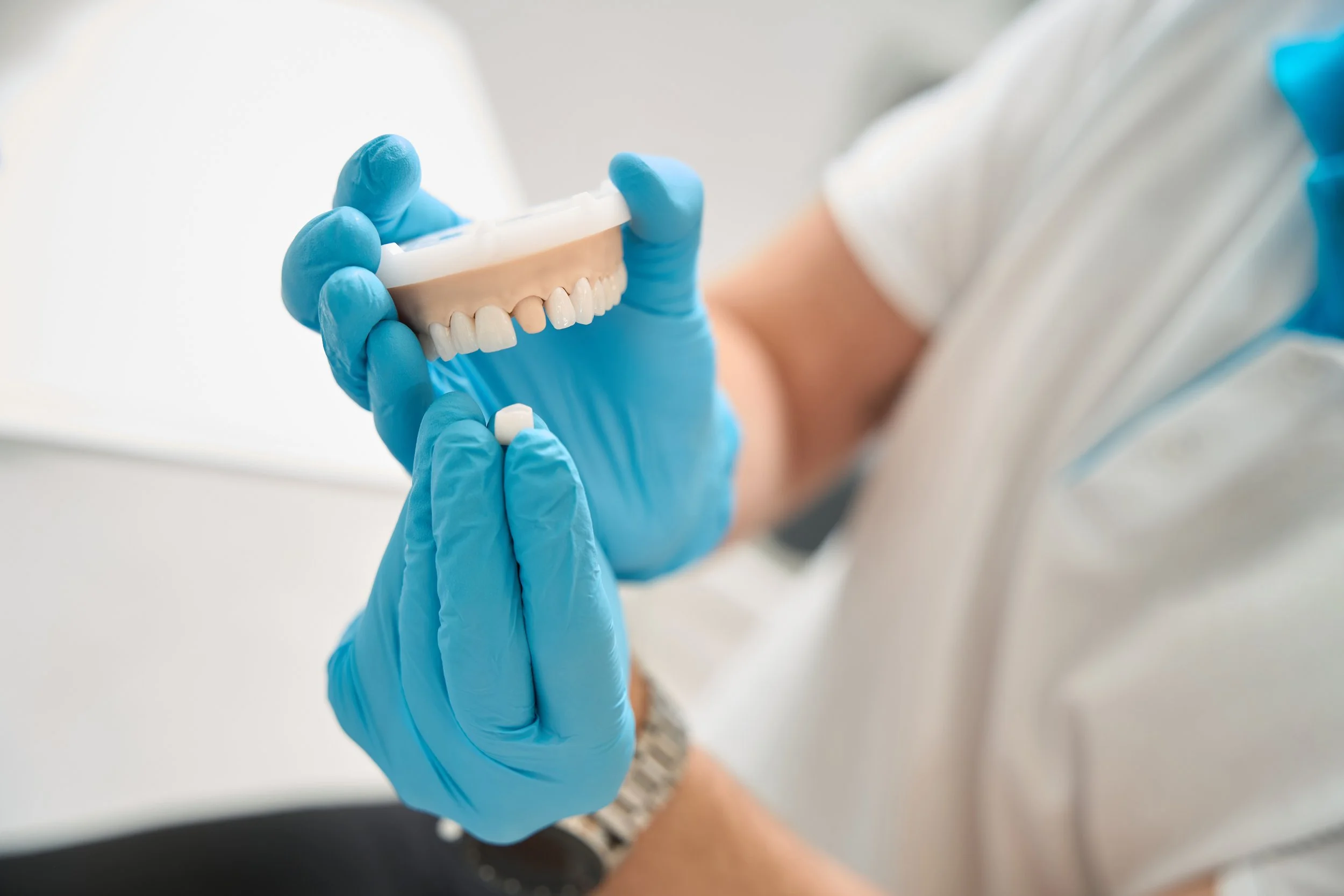
If you think you might need a dental crown, it’s completely normal to feel a little nervous at first. The good news? Dental crowns are more common than you might expect—about 15% of U.S. adults (ages 20–64) have at least one. That’s roughly 1 in 6 people.
The best next step is to connect with a qualified dentist, like our team at White Oak Dental, and get informed. Understanding the signs you may need a crown—and knowing what to expect—can make the process feel much more manageable.
We’ll walk you through everything you need to know below.
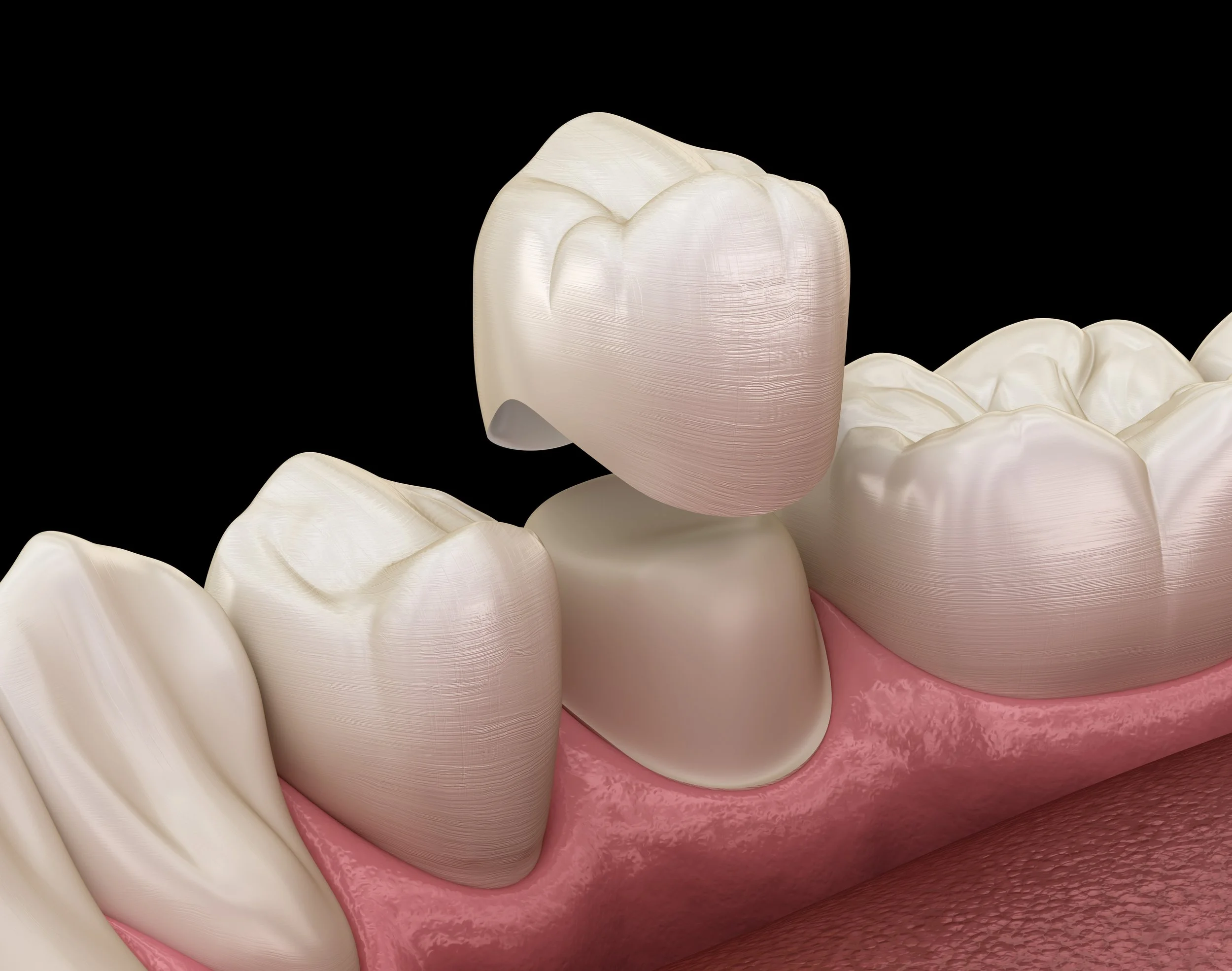
What is a Dental Crown?
A dental crown is a custom-made “cap” that fits over a damaged or weakened tooth to restore its shape, strength, and appearance. It’s designed to look and function like a natural tooth while protecting what’s underneath.
Reasons You Might Need A Dental Crown
There are a few reasons that you might need a dental crown, but some of the most common are that you have had a root canal. Root canals leave the specific tooth or teeth weaker than others, so a crown is important for protection.
If your tooth is cracked or broken, this is another sign that you might need a crown. A crown can stop the tooth from breaking even further by offering that protective layer that it doesn’t have otherwise.
Another common sign is that you have severe tooth decay. There comes a point where simply filling a tooth is not enough anymore, and a crown will need to be fitted to prevent further issues. When decay is severe, it can often lead to teeth breaking or cracking through normal everyday activities such as chewing, which is not ideal.
Some of the other common signs include:
Severely discolored teeth
A large filling that isn’t working
Restoration of a dental implant
Mishapen teeth
What To Expect During Treatment
First, you will have an appointment to discuss whether you need a crown. We will take x-rays of your teeth and talk you through your options.
During your next appointment, we will then prepare your tooth ready for the crown. This often includes numbing the area, filing your tooth, taking impressions, and placing a temporary crown while the permanent crown is made.
2-3 weeks later, we will invite you back to remove the temporary crown and place the permanent one. We will check all the details and then cement it in place.
It’s not generally painful due to the anesthetic, but you may feel some pressure and pushing during the appointment.
Ready To Restore Your Smile?
If you’re interested in getting your dental crown, or other cosmetic dentistry services, book an appointment with us today. Our friendly team will be more than happy to talk you through your options.